
The core components of dispensary accounting include revenue tracking, expense categorization, inventory valuation, compliance with IRC Section 280E tax regulations, and comprehensive financial documentation for audits. Dispensary accounting transcends traditional financial management, serving as a strategic safeguard for cannabis businesses operating in a complex regulatory environment. Learn more about budgeting strategies for cannabis businesses to complement your comprehensive financial approach. Successful dispensary accounting requires a combination of industry-specific knowledge, financial acumen, and an unwavering commitment to regulatory compliance. Businesses that invest in professional accounting practices position themselves to minimize financial risks and optimize operational efficiency in this complex and evolving industry. Given these challenges, it is essential for dispensary owners to have a solid understanding of bookkeeping best practices and to implement systems and processes that will allow them to stay compliant and make dispensary accounting informed financial decisions.
Bookkeeping for Dispensaries
The marijuana industry can be complex, and not all bookkeeping professionals know how to handle its challenges. If you’re not confident in your ability to use ERP or accounting software, you can work with a bookkeeping professional to simplify the process and add extra security. Outsourcing this work will free up your time to manage other aspects of your cannabis dispensary. Most states with legal cannabis require that dispensaries thoroughly track their inventory and expenses.

Cannabis Inventory Accounting: What You Need To Know
Once you know your gross income, you’ll have to determine all of the ordinary and necessary expenses paid or incurred over the taxable year resulting from your trade or business. IRC 162 defines these deductions more in-depth, showing the general deductions you can use as tax write-offs. Here as elsewhere the goal is a streamlined process, generally through digitization, so that creditors are properly paid without delays or errors. For this to happen smoothly, what’s called a three-way matching system, where invoices and receipts are cross-referenced to ensure a clean match, can help guard against error as well as any potential suspicions of fraud.
Join Our Community Of Accounting Professionals, And Stay Up To Date On The Latest News In Cannabis Accounting.
- Emerging industry trends, such as the rise of cannabis-infused products and increased consumer demand for sustainable and organic cultivation practices, will also influence accounting practices.
- These businesses serve as engines for job creation, real estate revitalization, and enhanced local government revenues, shaping neighborhoods and regional economies in significant ways.
- Currently, there are hundreds if not thousands of accounting professionals claiming to have Cannabis accounting experience but they’re making big mistakes.
- To uphold compliance and navigate the intricacies of tax regulations, accountants must have access to transparent, traceable inventory data.
- Cannabis dispensaries navigate complex regulations, strict tax codes, and federal restrictions that create hurdles unlike those faced by other businesses.
- Section 280E of the Internal Revenue Code throws a major curveball at cannabis businesses.
- Quickbooks is the most popular accounting software in the cannabis industry.
Learn more about strategic financial management in cannabis businesses to understand these critical interconnections. At the core of dispensary accounting lies an intricate system of documentation that goes beyond standard record keeping. According to Journal of Cannabis Research, businesses must implement sophisticated tracking mechanisms to ensure complete transparency and regulatory compliance. Dispensary accounting fundamentally differs from traditional business accounting due to the complex regulatory framework surrounding cannabis operations.
The Importance of Accurate Reporting

The National Association of Cannabis Accounting and Tax Professionals offers a directory of qualified professionals to assist you. Licensees must choose an inventory tracking vendor capable of transmitting required data via API to OCM’s BioTrack system. OCM does not impose a fee for data submission but licensees are responsible for purchasing and maintaining their own tracking system (New York State Office of Cannabis Management, 2024b). • CPA Academy—A leading organization that has a specific course for bookkeeping beginners who are working in the cannabis industry. While Suspense Account it might seem like cannabis bookkeeping would negatively impact your chances of better future opportunities, the cannabis industry is a legitimate one in many states.
However, in keeping with good record keeping, these companies need to invest the time (or money, if you would like to outsource it) to write good job descriptions. It will not be sufficient to say, “I have a person who works the dispensary, so I pay them for that. Also, they work in processing, so I pay them for that as well.” The IRS may well deem all the salary costs to the Dispensary, where labor IS NOT a part of Cost of Goods, therefore, not reducing the revenue of the dispensary. Job descriptions as well as documented work hours, by job or process, will be of huge benefit during an audit. Remember, typical business expenses (operating expenses) are not allowed for cannabis dispensaries in regard to taxation.
Buds and Business: get the latest news in the cannabis industry right to your inbox.
- This underscores the importance of having a robust financial strategy that includes compliance management, which is vital in navigating the complex cannabis industry.
- Unlock Financial Success with Expert InsightsRead our blog article to learn more about cannabis accounting best practices.
- An accountant can help ensure your tax documents are accurate and your taxes are filed on time.
- The cannabis industry requires multiple licenses, each with its own application and renewal fees that can significantly impact cash flow if not carefully managed.
- Cannabis accounting will provide you with the financial or legal guidance you need.
- It should also be updated regularly, ideally every 30 days, to reflect the most accurate picture of the business’s inventory and production.
From banking to transportation of goods; from seed to sale; from payroll to paying bills, there are challenges that most businesses do not have to deal with that hinder day-to-day operations. Cannabis and CBD/hemp accounting professionals need to be aware of these challenges and must be able to help their clients navigate and find solutions so that they can properly operate their business. Dispensary owners are using the Dispensary Accounting Best Practices Checklist to improve their financial operations and implement IRC 280E policies and procedures. Additionally, most accounting software is not cannabis-friendly, which makes it difficult to perform proper accounting and legally minimize clients’ tax liabilities. The challenge extends beyond daily operations to managing vendor relationships and accounts receivable. B2B transactions in cannabis often involve extended payment terms, with the industry averaging days for wholesale settlements.
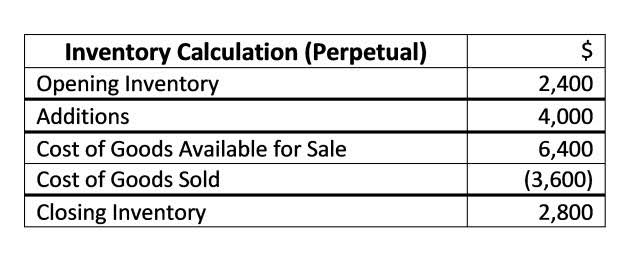
Additionally, due to the unique nature of cannabis production, the Work-in-Process Inventory (WIP) – items that are in the production process but are not yet finished goods – is significant. It should be noted that the court in this case placed much weight on the fact that the company held discussion groups, regularly distributed food and hygiene supplies, and provided specific counselors and counseling services. In other words, the weight of evidence convinced the court that these activities were separate and distinct and did not primarily support the trafficking of marijuana. Any cost which (but for this subsection) could not be taken into account in computing taxable income for any taxable year shall not be treated as a cost described in this paragraph. Our clients include Retail Dispensaries, Commercial Cultivators, Extraction/Processors, Ancillary Service Providers, and vertically integrated Cannabis, Hemp and CBD businesses.
Master Cannabis Cost Accounting For Dispensaries: Key To Profitability

This can help ensure that you are always compliant with the latest regulations. For a deeper understanding https://www.bookstime.com/ of how to navigate this complex landscape, consider exploring some top tax planning strategies for cannabis businesses. It’s also crucial to grasp the intricacies of federal and state taxation in the cannabis industry, as this knowledge will significantly aid in effective financial planning and budgeting. Additionally, having a clear understanding of exit strategies for cannabis businesses can provide valuable insights for long-term sustainability and growth.
Premium or paycheck? Tax treatment of secondary sales above FMV
Tax preparers are charged with assimilating data into a properly filed tax return, based on the information given to them. It states that the method used for inventory must “clearly reflect the income”. Also, it must conform to how the client accounts for inventory in the financials, which is usually going to be GAAP and Lower of Cost or Market (LCM).